


 ✕
✕

GRI ProfessionalCertification Program
MCMCER is one of the few GLOBALLY LICENSED GRI-CERTIFIED TRAINING PROVIDERS offering all 4
mandatory GRI courses in a single comprehensive online live training program led by
internationally-acclaimed
GRI-Certified Experts.
View Annual Schedule
Course Details & Enrolment
GRI Professional Certification Program
The Global Standard for Sustainability Reporting
This programme is designed to provide a complete and practical understanding of sustainability
reporting using the GRI Standards. It enables organisations and professionals to identify their most
significant
impacts, determine material topics, and prepare structured, transparent, and credible sustainability
disclosures.
The course follows the official GRI methodology and focuses on the full reporting
journey, from
understanding impacts to publishing sustainability information. This training programme provides a
structured
understanding of this process and equips participants with the ability to apply the GRI Standards in
real-world
contexts.
The Full GRI Reporting Journey
This programme follows the official GRI methodology and focuses on the complete reporting journey — from understanding impacts to publishing structured, transparent, and credible sustainability information.
Three Tiers. One Framework.
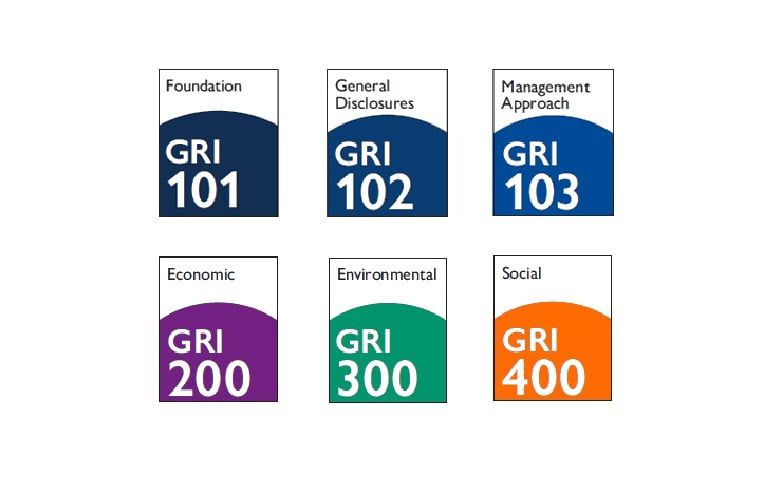
Foundation of All Reporting
These form the foundation of GRI reporting and apply to all organisations, regardless of size, sector, or location.
- GRI 1 — Foundation
- GRI 2 — General Disclosures
- GRI 3 — Material Topics
Sector-Specific Guidance
Provide guidance on likely material topics for specific sectors, supplementing the Universal Standards with industry-relevant requirements.
- Sector-specific likely material topics
- Tailored disclosure requirements
- Industry context and benchmarks
Topic-Specific Disclosures
Contain disclosures for specific ESG topics — used by organisations to report on the material topics identified through their assessment process.
- Environmental topic standards
- Social topic standards
- Governance topic standards
M.C. Mehta Centre for Education and Research offers the GRI Professional Certification Program consisting of four structured courses. Each course builds upon the previous, providing a complete and practical understanding of sustainability reporting using the globally recognised GRI Standards.
Participants who complete all four courses and pass the GRI certification exam earn the designation of GRI Certified Sustainability Professional through the GRI Academy.
GRI Certified Sustainability Professional
Awarded by the GRI AcademyReporting with the GRI Standards
In this course, you will learn how the Standards are structured, how to apply reporting principles, and how to prepare a report in accordance with the Standards. You will gain skills to plan, draft, and finalize reports that are globally trusted and comparable.
Reporting on Human Rights with the GRI Standards
This course helps you understand how the GRI Standards guide human rights reporting and disclosure. You will learn how to identify impacts, communicate actions, and strengthen accountability. Together, we set the foundation for responsible reporting that builds trust and drives positive change.
Navigating the GRI Sector Standards
This course offers practical guidance on integrating the SDGs into reporting processes, aligning strategy with sustainable development, and learning from real-world practitioner insights.
Transparency for Tomorrow: Decoding the Sustainability Reporting Landscape
Understand the evolving landscape of sustainability reporting and meet growing expectations for transparency. This course explains the key frameworks including GRI, IFRS, ESRS, TCFD, and TNFD, and helps you identify which best align with your organization’s reporting goals.
Our Alumni work at












Continuing Education Units (CEUs): The GRI Certified Sustainability Professional designation can be renewed annually by completing additional GRI training courses and accumulating 4 CEUs within each renewal cycle.
Meet Your Faculty
GRI Accredited professionals with deep expertise in sustainability reporting, ESG compliance, and carbon accounting — delivering industry-led, practical training.

Dr. Souha Bel Haj Messaoud
ESG Governance and Assurance Expert
GRI Accredited ProfessionalFounder, Eco Fluent Solutions
CSRD and Sustainability Reporting SpecialistSustainability Assurance Systems
ISO 17029 & ISO 14065 Accreditation SystemsCarbon Markets & Regulatory Mechanisms (EU ETS, CBAM, MRV)
Visiting ProfessorICN Business School, France

Mr. Abubakr Ahsan
ESG & GRI Certified Expert
GRI Accredited ProfessionalGlobal Reporting Initiative
LEED & WELL AP, MMUP Certified Engineer
ISO 14001 Lead Auditor professional
Sustainability LeaderMENA Region at Diversey
Core GRI Concepts
The GRI Standards are built on a set of foundational concepts that define how organisations understand and report on their impacts and relationships with stakeholders.
Impact
The effect an organisation has or could have on the economy, environment, or people — including human rights — as a result of its activities or business relationships. Impacts may be positive or negative, actual or potential, short-term or long-term.
Material Topics
Those that reflect an organisation's most significant impacts on the economy, environment, and people. Materiality determination is a core process in GRI-aligned sustainability reporting.
Due Diligence
The process through which an organisation identifies, prevents, mitigates, and accounts for how it addresses its actual and potential negative impacts — a central expectation in GRI reporting.
Stakeholders
Individuals or groups whose interests are affected or could be affected by an organisation's activities — including employees, suppliers, customers, investors, governments, and local communities. Stakeholder engagement is central to determining material topics.
What You'll Learn
Comprehensive understanding of the GRI Standards structure — Universal, Sector, and Topic Standards.
Step-by-step guidance on reporting in accordance with GRI Standards, covering all required disclosures and processes.
Practical approach to identifying impacts and determining material topics based on organisational context.
Hands-on learning of the materiality determination process — identification, assessment, and prioritisation of impacts.
Detailed insights into stakeholder identification, mapping, and engagement — surveys, workshops, and consultations.
Application of reporting principles: accuracy, balance, comparability, completeness, and verifiability.
Practical exposure to GRI 2 General Disclosures and GRI 3 Material Topics, including preparation of disclosures.
Guidance on preparing a GRI content index and statement of use as required under the Standards.
Understanding how to align GRI sustainability reporting with other frameworks such as BRSR, CSRD, and ISSB.
Real-world case studies and exercises applying GRI concepts in practical sustainability reporting scenarios.
Due diligence concepts and their integration into impact identification, management, and reporting processes.
Focus on building credible, transparent, and decision-useful sustainability reports aligned with global best practices.
Trusted by Industry Leaders
Who Is This Programme For?
Designed for sustainability reporting professionals, EHS/CSR managers looking to build audit-ready internal capabilities, and corporate leaders bridging their experience into high-paying ESG roles.
ESG & Sustainability Professionals
Reporting, disclosure, and strategy roles
Sustainability Reporting Professionals
Preparing GRI or other sustainability reports
CSR & Compliance Managers
Regulatory filings and sustainability initiatives
ESG Analysts
Evaluating and rating ESG performance
Risk & Enterprise Risk Professionals
Integrating ESG risks into business frameworks
Internal Auditors & Assurance Professionals
Reviewing ESG controls and data integrity
Governance & Strategy Professionals
Oversight, governance, and ESG strategy
Stakeholder Engagement Specialists
Managing stakeholder processes and inputs
Consultants & ESG Advisors
Providing sustainability advisory services
Data & Reporting Analysts
Collecting and presenting ESG data
Corporate Managers & Decision Makers
Strategic oversight of sustainability performance
What You'll Walk Away With
Sustainability reporting is an ongoing process that evolves over time. This programme equips participants with the knowledge and practical skills required to undertake this journey effectively.
Participants will gain the ability to apply the GRI Standards, determine material topics, engage stakeholders, and prepare structured sustainability disclosures aligned with global best practices.
Master Sustainability Reporting with GRI
Join our Professional Certificate Course — Reporting with the GRI Standards — and build the skills to produce credible, transparent, and decision-useful sustainability disclosures. Next Live Cohort Enrolling Now | Limited Executive Seats.